

Nutrients are the key to our health and particularly important for growing bones, developing immune function, and high energy levels. Although we all need the same nutrients, everyone requires different amounts of those nutrients depending on age, growth, and activity. Nutrients can generally be broken down into two categories: macronutrients—proteins, fats, and carbohydrates—and micronutrients—vitamins, minerals, and co-factors. Because both macro- and micronutrients have critical functions within the body, make sure you get the right balance for optimal health and well-being. Children especially need a nutrient-rich diet to help them with the increased requirements from physical activity, growth spurts, and learning.
以下是我们为您推荐的 6 大营养素,它们能让您的孩子在各个成长阶段都保持健康:
1.蛋白质
The major building block of every cell in our body, protein is essential for life. In fact, it is so important, that experts have found that a human being will keep being hungry until their protein requirements for the day are met. There are proteins involved in helping your child’s body to break down food into energy, fight infections, and carry oxygen around the blood. There are 20 monomeric, “base” amino acids, from which we synthesise the proteins that help grow and repair our bodies. 9 are considered “essential” because our bodies cannot create them.
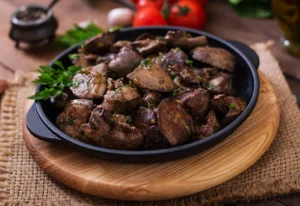
Animal protein is considered a complete protein source because it contains all essential and conditionally essential aminos, plus it contains vitamins and minerals in highly bioavailable forms. Organ meats and shellfish are especially rich in essential nutrients. Start early with organ meat to give them a taste for it. In many cultures, liver is a “first food” for babies when they start on solids. It is important to note that you need to eat the fat with the meat, so don’t trim the fat, and definitely do not take notice of the “eat lean protein” nonsense, at least, not for children.
至于植物性食品,很少含有全部 9 种必需氨基酸,有些氨基酸含量不足,如蛋氨酸和半胱氨酸。许多植物蛋白食品都经过高度加工,添加了油脂和调味料,植物蛋白缺少动物蛋白所含的大部分营养素和辅助因子。此外,植物蛋白的生物利用率低于动物性食品,因此您可以将大米和豆类结合起来以增加必需氨基酸的含量,但它们的生物利用率只有动物性食品的一半,因此您必须摄入至少两倍的热量。
Additionally, plant foods contain many defense chemicals that inhibit the digestion/absorption of nutrients. Tofu and tempeh contain protein but should only be used occasionally or as a condiment, as they are in Asia. The few, truly vegetarian cultures around the world that raise their children without meat and fish experience far more health issues and even stunted growth and brain development issues. Even then, they usually priotritise eggs and dairy for their precious nutrient content. Proteins like carnitine, creatine, taurine, glycine, and carnosine are made in our body but often not at the level we require, so it is important to get those from food as well. These proteins are essential for healthy brain function, metabolism, muscle, digestion, and more, and they are not generally present in any plant foods. Research has shown that animal foods are advised as the basis of a child’s diet, chiefly because they are rich in bioavailable nutrients that are lacking or low in plant foods. Cultures that eat foods like rice and beans generally add meat and/or a bone broth to the dish, as well. Add to that the importance of getting collagen proteins into your and your kids’ diets too.
- Beef, lamb, venison, pork, etc.
- 家禽
- 鱼类
- 鸡蛋
- 内脏肉类--肝脏、肾脏、心脏等
- Whole (unprocessed) milk and cheese
- Collagen broths and collagen-rich meats (mince, tough cuts, skin, cartilage, etc.)
- 米饭和豆类(通常还有动物蛋白)
2.脂肪
Fats and cholesterol are essential for life and are found in every cell membrane. They have a major role in supporting skin health, moisture, and repair; assist with immune responses; and are a fuel source, particularly during sleep, for our hearts, or when we’re at rest. Cholesterol is the base molecule for our steroid (reproductive, stress, etc.) hormones and vitamin D. While we can synthesise fats and cholesterol in our body, it is necessary to have fat within your diet for your body to absorb the fat-soluble vitamins, D, E, K, and A, plus we only make up to 80% of the cholesterol we need every day. Research has shown that children who eat a low-fat diet are more likely to be obese adults and experience issues with their facial and bone structure, etc., causing breathing problems, among others.
The omega-3 and -6 fatty acids are not made in our body, so we must obtain them from our diet. Healthy animal fats, including red meat, but especially fish, contain the essential omega-3 fatty acids, DHA and EPA, that are critical for brain health, development, and growth. Vegetable oils are highly refined, and the omega-6 to omega-3 ratio is too high. Nuts and seeds contain the precursor to DHA and EPA, called alpha-linolenic acid, but, unfortunately, the conversion to EPA, and especially DHA, is restricted in most of us. This is why it is important for children to consume animal fats and why traditional cultures prioritise animal foods for their youngsters.
- Animal fats–fatty meats, incl. fish
- Milk fats–Butter, ghee, full fat yoghurt, cheese
- 蛋黄
- Tallow, lard
- Fruit fats—Avocado, olive, coconut oils
- 一些坚果和种子(最好经过浸泡和 "激活")。
3.碳水化合物
Carbohydrate, in the form of glucose, is considered the main source of energy for the body—glucose is essential for a well-functioning brain, and some cells in the body, e.g., red blood cells, can only use glucose for energy. The body is very good at making glucose, but it is better to get all the things your body needs in your diet, wherever possible. Children, however, do require carbohydrates in their diet; otherwise, they may suffer from growth issues. Ketogenic diets are very popular nowadays; however, children placed on them for treatment reasons display stunting and thyroid issues.
Carbohydrates support mood hormones and help children to use fats and protein for building and tissue repair. without carbohydrates in a diet, stress hormones will elevate to facilitate the production of glucose in the liver. As well, the thyroid will down regulate many processes in the body, including immune function, in order to conserve energy. Minerals and fluids can become unbalanced and lead to restless limbs and muscle tension, as well as tiredness, and more. Some humans do well with fewer carbs and some do better with more–find where you and your kids sit.
Carbohydrates come in many forms, including root vegetables (e.g., kumara, potatoes, and carrots) and fruits and vegetables. Whole grains are not essential in the diet (all essential nutrients can be obtained through an animal-based diet with fruits, a bit of veg, and tubers) but can be used if prepared properly through soaking, sprouting, fermenting, and cooking, as humans have done for thousands of years. The most important thing to remember is to limit or omit highly processed foods and carbohydrates, except for traditional refined carbohydrate foods like white rice and traditional pastas, which can be enjoyed a bit more.
- 南瓜
- 库马拉
- 马铃薯
- 胡萝卜
- Fruits
- Vegetables (most are fairly low in carbohydrate)
- 大米
- Soaked/fermented porridges or breads from traditional grains
4.钙

Calcium is essential for building strong bones and healthy teeth. But did you know that calcium is also important for energy production, immune and reproductive system regulation, and nerve and heart function? Again, the best sources for calcium are animal foods because plant foods contain compounds, like phytates and oxalates, which can bind and inhibit the absorption of calcium and other minerals. Bioavailability of calcium in seeds can be increased by traditional plant food preparation methods (soaking/activating), but these should not be relied upon for the bulk of a child’s calcium needs. The same can be said for leafy greens–they do contain calcium and will contribute to a daily calcium intake but cannot be relied on to provide all your child’s calcium needs. Choose dairy that has been processed as little as possible. Dairy should be avoided if the child has an allergy to dairy, or it is culturally inappropriate.
- 未经加工的动物奶
- Cheeses and/or cream/cottage cheeses
- 酸奶和/或酸乳酒
- 带骨三文鱼罐头
- 骨粉
- 灭菌蛋壳粉(功能性食品补充剂)
- Activated sesame seeds (and other nuts)
5.铁
Necessary for healthy blood, iron aids normal cell function and carries oxygen into the cells all over the body to support energy levels. Iron is also essential for healthy brain function and mood. Iron comes in two forms: haem and non-haem iron. Haem-iron comes from animal foods, especially organ meats—liver is the richest source—and so animal foods should be prioritised. Non-haem iron comes from plants, is poorly absorbed, and requires vitamin C with the meal. The most important thing to know about iron, is that we do recycle the iron in our bodies very efficiently. But we still require a good amount every day. And we also require copper, vitamin A (retinol), and vitamin C in order to manage iron in our bodies. The beauty of organ meats is they contain all (yes, even some vitamin C!) of those nutrients.
- Organ meats, especially liver
- Fish, pork, poultry, red meat
- Shellfish, especially mussels
- 深绿叶蔬菜(吸收率低)
6.维生素 C
维生素 C 是人体必需的营养素,无法在体内储存,必须从饮食中摄取。维生素 C 不仅对免疫健康至关重要,还能帮助人体愈合伤口,并通过强化血管壁来减少瘀伤的发生。维生素 C 有助于保持牙龈和牙齿的健康,并有助于强健骨骼的生长。
- 柑橘类水果
- Kiwifruit–especially gold
- 草莓
- 黑醋栗
- 红辣椒
- 西兰花
- Fresh organ meats (especially adrenal glands)
Bonus Round–Additional Essential Nutrients
There are many other essential vitamins and minerals—the fat-soluble vitamins A, D3, K2, and E, for example—are critical for the development of your child’s immune and reproductive systems, and their teeth, skeleton, and facial structure, all of which, have implications for their health as an adult. And let’s not forget about the B vitamins! Other essential minerals for growth and development, such as magnesium, iodine (very important at puberty), potassium, phosphorus, copper, and zinc, are more bioavailable in animal foods, but they can be obtained by traditionally preparing plant foods. Traditional preparation of these foods is outlined in detail at 韦斯顿-A-普莱斯基金会的 网站。如果您和您的家人专注于...
- 动物性食品及其脂肪
- easily digestible carbohydrates like fruit, tubers, and the veggies 孩子们喜欢的
- 只使用全食品
- 学习用传统方法加工和制作植物食品
- 尽量少吃或不吃垃圾食品和加工食品
......您的孩子将获得成长和学习所需的全部营养。让孩子们了解营养的重要性,有助于他们养成良好的生活习惯。


 Chinese
  English
  Vietnamese