
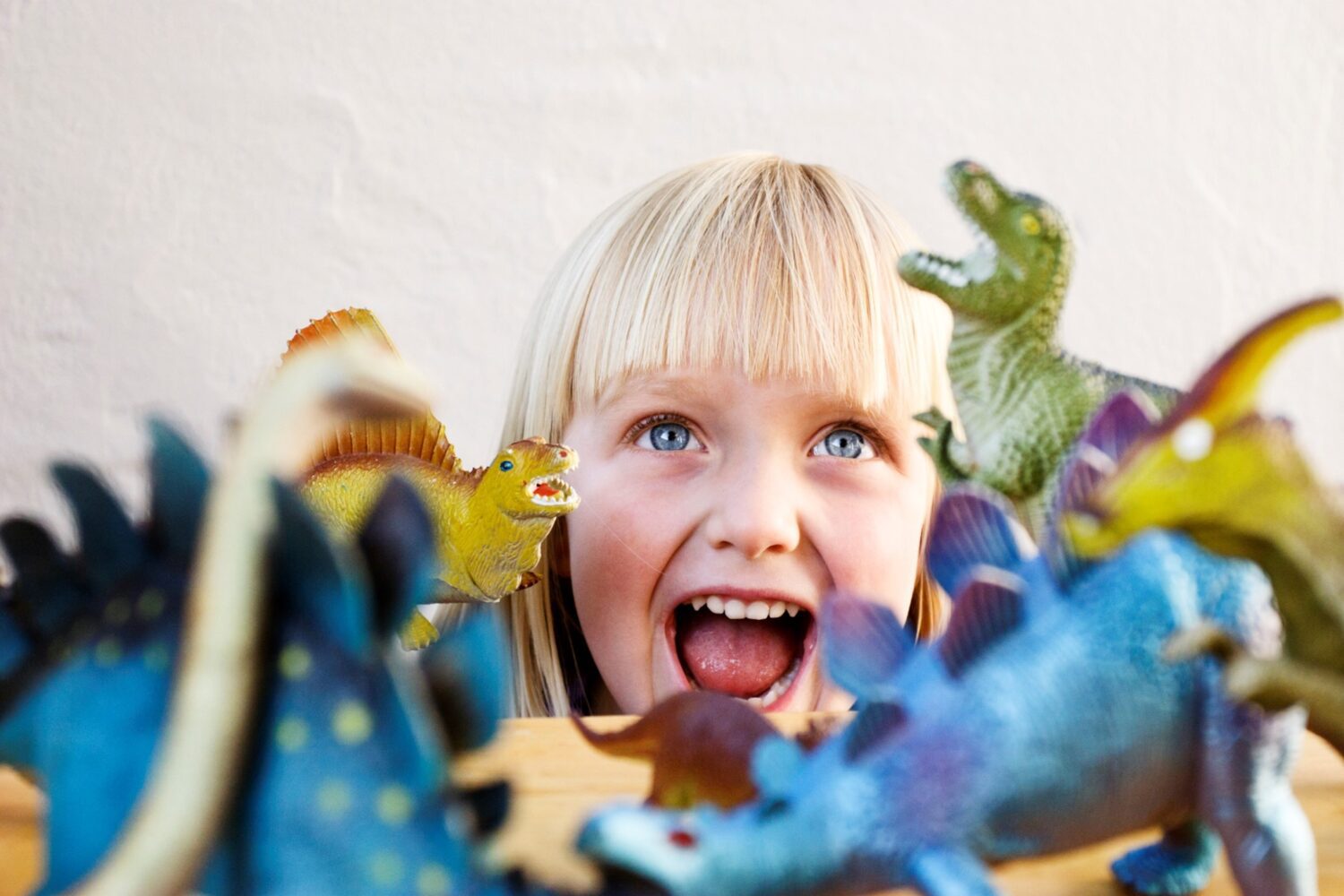
Calm kids? Hmmm, not always! Children’s behaviour can sometimes feel unpredictable, especially during times of change, tiredness, excitement, or overstimulation. One moment they’re happily playing, and the next they’re overwhelmed by big emotions they don’t yet know how to manage. For many parents, learning how to keep kids calm in everyday life can feel like an ongoing balancing act.
The good news is that emotional regulation is something children develop over time. Calm behaviour isn’t about expecting children to be quiet or perfectly behaved — it’s about gently supporting their growing ability to cope with feelings, transitions, and busy environments. Small daily habits, supportive routines, and calming techniques for kids may all help create a sense of security and balance.
If you’re looking for natural ways to calm children and support calm behaviour in children, there are many simple and practical strategies that may help.
Why Calm Behaviour Can Be Challenging
Children are still learning how to understand and express their emotions. Their nervous systems continue to develop throughout childhood, which means they can sometimes react strongly to situations that feel overwhelming, exciting, or unfamiliar.
Factors such as sleep, routine, nutrition, busy schedules, screen time and lack of feelings of safety may all influence children’s mood and behaviour. Some children may also be more sensitive to noise, changes in environment, or emotional stress than others.
Creating supportive routines and calm environments can often help children feel more settled and emotionally secure, because when they feel safe, they can regulate their nervous systems better.
1. Create Predictable Daily Routines
Consistency can help children feel safe and secure. Predictable routines around meals, school, homework, and bedtime may reduce stress and uncertainty, especially during busy weeks.
Simple routines don’t need to be rigid. Create small rituals — like story time before bed or having a regular after-school snack — can provide reassurance and structure.
2. Support Healthy Sleep Habits 
Sleep may have a significant influence on mood, energy, and behaviour. Overtired children can sometimes become more emotional, restless, or overwhelmed during the day.
Sleep is when we file our memories, grow neurons and do the housekeeping in our brains so it can learn and grow the next day.
Creating a relaxing bedtime routine may help support better sleep habits. This could include dimming lights, limiting screens before bed, reading together, or listening to calming music.
A consistent bedtime and wake-up time can also help support healthy sleep patterns and emotional balance.
3. Use Simple Breathing or Relaxation Techniques
Breathing exercises can be a helpful way to introduce calming techniques for kids.
Young children often respond well to playful visual prompts like:
- “Smell the flower, blow out the candle”
- “Blow up the balloon slowly”
- “Take giant turtle breaths”
Simple breathing activities may help support emotional regulation and encourage children to slow down during overwhelming moments. Relaxation techniques can also become part of a regular bedtime or quiet-time routine, like a kid’s guided meditation or body scan can help calm the body and mind.
4. Keep Nutrition Balanced and Regular
Regular meals and snacks may help support steady energy levels throughout the day. When children become overly hungry, tired, or low in energy, emotions can sometimes feel harder to manage. Offering balanced meals with a variety of whole foods, protein, healthy fats, fruits, and vegetables may help support general wellbeing and mood. Hydration is also important, as children may not always recognise when they’re thirsty.
5. Allow Time for Movement and Play 
Children thrive when they have regular opportunities to move their bodies, play freely, and burn off excess energy. Physical activity may help support emotional wellbeing while giving children a healthy outlet for excitement, frustration, and restlessness.
Spending time outdoors can be especially beneficial. Fresh air, nature, and open-ended play often encourage relaxation, imagination, and a sense of calm away from busy indoor routines and screens.
Simple everyday activities — whether it’s walking, dancing in the lounge, climbing at the playground, or kicking a ball outside — can all help support balance, movement, and positive moods in children.
6. Model Calm Behaviour
Children learn a great deal by observing the adults around them. While no parent stays calm all the time, demonstrating calm responses during stressful moments can help children learn emotional regulation skills over time.
Using a steady tone, acknowledging feelings, and showing healthy ways to cope with frustration may all support children’s emotional development.
It’s also important for parents to show themselves kindness — calm parenting doesn’t mean perfect parenting.
7. Limit Overstimulation Where Possible
Busy schedules, loud environments, and excessive screen time may sometimes leave children feeling overstimulated or emotionally overloaded. Building quiet moments into the day can help create balance. This might include:
- Screen-free time
- Quiet reading
- Music
- Creative play
- Time outdoors
Some children may particularly benefit from calmer environments after school or before bedtime.
8. Consider Gentle Supplemental Nutritional Support
Alongside healthy routines, some parents also choose supplemental nutritional support as part of their approach to kid’s behaviour support.
Certain nutrients may help support relaxation, nervous system function, and general wellbeing in children. Nutritional support is not a replacement for healthy lifestyle habits, but it may complement a balanced routine. Nutrients such as magnesium, vitamin D, and L-theanine (an amino acid that can cross the blood brain barrier) can be supportive for stress, sleep and mood challenges.
When choosing products for children, it’s important to look for age-appropriate formulations and follow recommended directions for use.
Final Thoughts
There’s no such thing as perfect parenting, and every child responds differently to the world around them. Big emotions are a normal part of growing up, and learning emotional regulation takes time.
The small things often matter most — consistent routines, healthy sleep habits, calm environments, movement, connection, and patience. Over time, these simple habits may help support calm kids and encourage emotional resilience.
A gentle, supportive approach can go a long way in helping children feel safe, balanced, and understood.


 Chinese
  English
  Vietnamese