

Milk has been a staple of human diets for thousands of years, and while whole cow’s milk is a healthy part of daily nutrition in many countries, goat milk has also sustained communities across the globe—and for good reason. In many cultures, dairy products like butter are sacred foods. But if you’ve ever wondered why some people seem to feel better drinking goat milk than cow’s milk, this article will walk you through the key differences and benefits.

Nutrient-Rich Milk
Just like any of the ruminant (mammals that chew the cud regurgitated from their rumen—cattle, sheep, antelopes, deer, giraffes, goats, etc.) milks that humans consume, goat milk is a complete food in its own right. It provides every nutrient a growing body needs, with a slight caveat: milk in general is very low in iron, vitamin D3, vitamin C, and folate; however, it is only meant to be the sole food for a very short period in the life of a young mammal. For humans, who, unlike most other mammals, adapted to consume dairy products throughout life, milk’s amazing nutrient profile greatly enhances diets, providing vitally supportive nutrients like high quality proteins, calcium, potassium, phosphorus, magnesium, and vitamins A and the Bs. This is especially so when it is fermented, and it is even known as “white blood” in some cultures. Of course, nutrient status is dependent on the animal’s diet and environment, with higher nutrient content of milk from pasture-fed animals who are happy and healthy and outside all year round. Let’s focus in on goat milk…
Digestive-Friendly
One of the first things people notice about goat milk is that it feels gentler on the stomach. This isn’t just subjective—goat milk naturally forms a softer curd in the stomach and contains smaller fat globules than cow’s milk, which may make it easier for digestive enzymes to break down. This digestive ease is one reason why some people who feel bloated or uncomfortable after cow’s milk find goat milk more soothing. It also contains slightly less lactose—the sugar that many adults struggle to digest—though it’s still not lactose-free, so listen to your body if lactose intolerance is a concern.
Another digestive plus? Goat milk contains more prebiotic oligosaccharides than cow’s milk—similar to the amounts in human milk—which help nourish friendly gut bacteria and support a healthy microbiome.
Ferments and Pasteurisation
One important thing to note about all animal milks is that in traditional cultures, older children and adults would consume more fermented dairy—kefir, yoghurt, curds, cheeses, etc.—which are far more digestible with a more bioavailable nutrient profile, than the liquid milk itself. They would even sour the cream to make butter! That’s not to say that a high-quality milk shouldn’t ever be consumed by adults, it just means that some of the issues people have when consuming milk could be ameliorated by sticking to fermented forms (a casein allergy, notwithstanding, of course).
They can also be alleviated, by trying traditionally unpasteurised varieties, which should be sourced from a certified farm and production facility in order to avoid any bacterial contamination from unhygienic practices. Raw milk contains lactase to break down lactose, other enzymes to assist digestion of proteins and fats, undenatured whey and lactoferrin proteins, and beneficial microbes that can support gut microbial balance. Pasteurisation damages these precious components, plus the more fragile nutrients like vitamin C. European research has showed that children regularly consuming unpasteurised dairy have much lower levels of respiratory illnesses and hyperimmune responses compared to their pasteurised dairy-consuming counterparts. Finally, the milk destined for large batch pasteurisation and processing is very different to the milk produced by smaller dairies, using strict hygiene procedures and regular testing by a regulatory body.

Goat Milk and You: Comfort, Not Cure-All
It’s important to be clear: goat milk isn’t a panacea, and it’s not inherently “better” than cow’s milk for everyone. Cow’s milk provides all the same essential nutrients, albeit at slightly differing levels, some higher, some lower, and is a wholesome choice for many people.
Some folks who experience fullness, gas, or bloating with cow’s milk find goat milk easier to enjoy. If you’re simply looking for variety or want to explore options that feel more comfortable for your system, goat milk is worth a try.
And the differences in composition can matter. Goat’s milk predominantly contains A2 beta-casein protein, whereas many types of cow’s milk contain mostly A1. For a subset of people, the A2 protein in goat milk can be less likely to trigger digestive discomfort—although this varies widely from person to person. For others, choosing organic A2, even raw cow’s milk from ancient varieties like Jersey cows, can be a game changer. But goat’s milk seems to be better for many people even when it is processed in a less traditional way, which can make it more accessible to most people.

How It’s Traditionally Enjoyed
Goat milk isn’t only for drinking straight from the glass. It’s widely used around the world in yogurts, cheeses, kefirs, and even desserts, offering a rich, slightly tangy flavour that pairs beautifully with both sweet and savoury foods.
Because it’s so nourishing, traditional health practitioners often include goat milk for individuals recovering from illness or looking to support digestion gently. Just remember, if you have a diagnosed milk allergy—especially to cow’s milk protein—goat milk may still trigger reactions for some people, so always proceed cautiously and consult a professional if needed.
Cow’s Milk vs. Goat Milk: Not Bad, Just Different
A common misconception is that cow’s milk is “bad”—but that simply isn’t true. Cow’s milk has sustained generations with its broad nutrient profile and remains one of the most studied and valuable dietary staples. Admittedly, there are problems with some modern dairy farming and processing practices, and selective breeding of high-yield and A1 protein dominant cows, but we are lucky in New Zealand that we have a lot of solely grass-fed milks to choose from. That becomes very important in terms of nutrient values, especially for things like the beneficial C:15 fatty acid, which decreases when the ruminants are not fed enough of their natural diet of grass, forage, and field herbs.
The difference between cow’s and goat’s milk isn’t about good versus bad; it’s about what suits your individual body best and the quality of the milk and dairy products you choose. Goat milk’s fat, protein, and sugar structures can make it easier for some people to digest, and its nutrient profile can feel more balanced for certain digestive systems. But many people thrive on cow’s milk with no issues at all, particularly when used in a traditional way—as a ferment or with minimal processing from healthy happy cows. It’s all about personal comfort and choice. And no, traditional dairy foods are not the cause of serious illness. That’s just clickbait based on some incomplete science and misguided conclusions—too much to go into, here.
However, goat milk is not suitable for everyone. If you have a known goat milk allergy, avoid it altogether. And while it’s nutrient-dense, goat milk in liquid or powder form shouldn’t replace infant formula or breast milk for babies under 6 months, nor should it be the sole source of nutrition for very young children.
Who Might Benefit from Goat Milk?
Goat milk may be especially well-tolerated by:
- People with sensitive digestions who find cow’s milk heavier
- Those exploring dairy alternatives without compromising on certain nutrient support
- Individuals seeking vegetarian-friendly sources of protein and calcium
Adding Goat Milk to Your Routine
If you’re curious to explore goat milk more regularly, a convenient way to do that is with a high-quality powdered product that you can mix into liquids and foods.
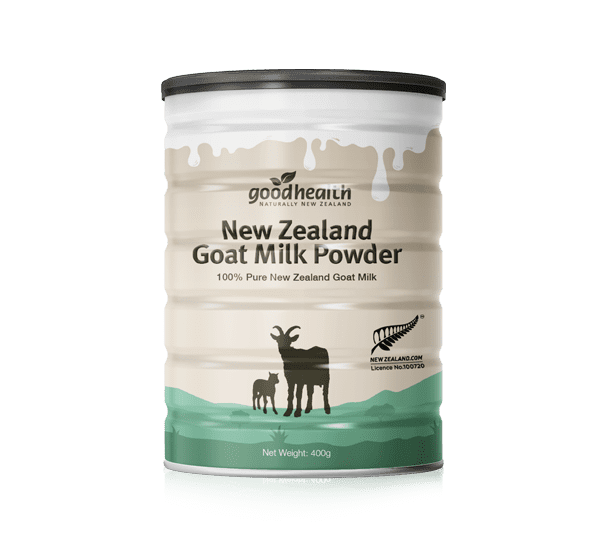
Good Health New Zealand Goat Milk Powder 400g
This 100% New Zealand goats’ whole milk powder is gently spray-dried and blends easily with water to provide a pleasantly mild, nourishing drink. With no added gluten, soy, egg, artificial colours, flavours, sweeteners, or preservatives, it’s a clean dairy option that many people find easy on the stomach. It’s also a source of calcium to support healthy teeth and bones, and works well when added to oatmeal, smoothies, or even soups. Whether you’re exploring goat milk to support your digestion or simply expand your dietary options, this product offers a flexible way to enjoy goat milk’s gentle, nutrient-rich goodness at home.
The Tail End of the Debate
Goat milk isn’t a miracle cure, and cow’s milk isn’t inherently inferior. They are different natural foods that offer wholesome nutrition. For some folks, goat milk feels easier on the stomach and more nurturing, especially if sensitive digestion is part of your story. Try small amounts, see how your body responds, and enjoy the process of discovering what works best for you.
TAPS PP5358


 Chinese
  English
  Vietnamese