

Most of us see electrolytes as being something that only athletes and sportspeople need. The truth is that we all need to have balanced electrolytes and to do that, we must have adequate mineral intake in our diets every day. Without balanced electrolytes in our bodies all sorts of things can go awry on subtle and not-so-subtle levels. So, when would the average person need RE:HYDRATE and why? Let’s dive right in…

Electrolytes are not just for athletes and sportspeople. Minerals that behave as electrolytes play a major role in keeping your cells and tissues hydrated, as well as supporting your body to function as it should. Minerals are available in our foods, but how much we get is highly dependent on the types of foods we’re eating. Sweating, diarrhoea, vomiting, and other things can further deplete these precious electrolytes. Good Health RE:HYDRATE supports the replenishment of the 3 lost in the largest quantities when sweating or ill.
What are the signs you need electrolytes?
Electrolytes are sodium, potassium, chloride, phosphate, bicarbonate, calcium, and magnesium. Low electrolyte levels can cause muscle cramps or restlessness, digestive issues, weakness or numbness and tingling, fatigue, dizziness, irregular heartbeat, confusion or irritability, headaches, nausea, and in severe cases, seizures or coma. Symptoms can vary depending on which electrolyte is deficient: For example, low sodium can tend to produce more tiredness and cramping, while low potassium can tend to produce more restlessness, tingling and/or numbness, and heart palpitations, but some of their symptoms do overlap.
Things that deplete electrolytes include intense exercise, hot weather, heavy sweating, travel, physically demanding work, illness involving fluid loss, certain medications or medical conditions. Sometimes even the “mid-afternoon slump” at work can indicate you’re low in electrolytes, especially sodium. That is why Good Health RE:HYDRATE contains sodium with added potassium, chloride, and vitamins C, B3, B5, B6, and B12.

Can you be dehydrated even if you're drinking water?
Yes, it is possible to be dehydrated even if you are drinking water, primarily due to factors like electrolyte imbalances and the body’s fluid regulation needs. If your body is low on essential electrolytes such as sodium or potassium, water alone may not be sufficient for hydration. Electrolytes are crucial for maintaining fluid balance in your cells. If you lose electrolytes through sweating, diarrhoea, or other means, simply drinking water may not restore proper hydration levels.
Additionally, if you consume large amounts of water in a short period, it can dilute your electrolytes. Signs of dehydration are similar to low electrolytes with the ubiquitous dry mouth and extreme thirst, dark urine, and eventually fatigue or dizziness. Having balanced electrolytes means that you body can more easily hold on to water. When electrolytes are in the right balance, they help maintain the osmotic pressure of fluids, which is essential for proper cell function and overall hydration.
When should you take electrolytes — before, during, or after exercise?
This is highly dependent on your activity—the intensity and duration—and how much you are sweating, but the short answer could be yes, yes, or…yes!
You should have electrolytes approx. 1-2 hours before a workout if you’re going to be exercising for more than an hour at a high intensity, you’re a heavy sweater, you’re a salty sweater (you lose more than 1 gram of sodium per litre of sweat), it’s hot or humid out (which increases sweat losses), or it’s race day. If you don’t load up prior to a heavy, hot, or racey period of exercise, you can certainly have them during or afterwards.
Electrolytic minerals are essential to generate power in your muscles via energy production and nerve function. Your blood pressure and volume changes when you exercise, and electrolytes are also essential for maintaining pressure and volume though fluid balance. To avoid things like muscle cramps, fatigue, headaches, and gastrointestinal issues, if you’re working hard and sweating for longish periods, keep those electrolyte levels topped up and balanced with RE:HYDRATE.
For Reference: an average, healthy adult engaging in moderate-intensity exercise, typically sweats out between 0.5 to 2.0 litres of body fluids per hour (L/h). In high-intensity activities, sweat rates can increase to 1.0 to 2.0 L/h. In hot and humid environments, sweat rates can rise even more, with some athletes recording rates approaching 3.0 L/h. It’s recommended to replace 150–300% of fluid losses for full recovery.
To get an idea of electrolyte loss, on average, people lose about 0.9 to 1.0 gram of sodium per litre of sweat, but this can range from 200 mg to over 1,700 mg per litre depending on individual and environmental factors. Hourly sodium losses during exercise typically range from just under 1 gram per hour on average, but extreme cases can reach several grams per hour. A general guideline is to start with 500–600 mg of sodium per hour along with adequate water, adjusting based on personal sweat rate and environmental conditions.
How do you “balance” electrolytes?
You can balance your electrolytes either by getting enough of one you’re low in or by having an electrolyte supplement that contains a good balance of three or more electrolytes and nutrients, such as glucose or amino acids, that help mineral absorption in the gut. The main electrolytes are sodium, potassium, and chloride, required in relatively high amounts, added to RE:HYDRATE, but you can add calcium and magnesium to the mix, in smaller amounts, as well, as in RAPID HYDRATE.
The ratio of sodium to potassium lost in sweat is 5:1, so an electrolyte supplement that accounts for that when you’re sweating is optimum. In other losses of fluid and electrolytes—vomiting, diarrhoea, etc.—this ratio isn’t quite so important. In terms of an everyday diet, make sure you use a natural, whole salt like Celtic or NZ Sea salt, Himalayan salt, or another quality salt, and salt your food to taste. You will be getting minerals from foods as well but make sure you eat all/mostly whole foods and not highly processed foods that often contain lots of sodium, and very little potassium and other minerals to balance it out.

Should you take electrolytes when you're sick?
Yes, electrolytes are beneficial when you’re sick. They help maintain hydration and replenish lost minerals, especially during illness when you may experience vomiting, diarrhoea, or fever. Electrolytes like sodium and potassium are crucial for fluid balance in the body and replacing them with RE:HYDRATE during or after illness can support recovery.
Do electrolytes help with a hangover?
Electrolytes can help with hangovers by mitigating common symptoms such as headache, fatigue, and dizziness. They aid in rehydration, helping your body retain and absorb water more effectively than plain water alone. Additionally, maintaining proper electrolyte balance can reduce feelings of nausea and fatigue. While they are not a magical cure, the intake of electrolytes can support feelings of comfort after a big night out.
Do you need electrolytes in hot weather?
We may need more during periods of hot weather depending on how much we are sweating. We all need to take in electrolytic minerals every day and we usually do that via what we eat and drink. As mentioned, salting our food to taste with whole sea or Himalayan salts instead of refined table salt and making sure the foods we eat are whole, mineral-rich foods will help. Exercising or working in hot conditions may require the intake of added electrolytes with water.
How quickly do electrolytes work?
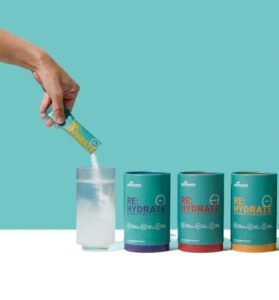 Electrolytes typically begin to work within 15 to 30 minutes after consumption, with noticeable hydration effects occurring within 30 to 45 minutes. For those experiencing severe dehydration, the recovery timeline can extend significantly, taking anywhere from several hours to over 24 hours for the body to effectively restore hydration levels. Continuous fluid and electrolyte replenishment is crucial in such cases. Higher concentrations in drinks can lead to quicker absorption, but each person’s body processes fluids differently, affecting how quickly electrolytes are absorbed. Liquid electrolytes are generally absorbed faster than those from solid foods.
What role does glucose play in fast rehydration?
RE:HYDRATE contains glucose because it plays a crucial role in fast rehydration by facilitating the sodium-glucose co-transport mechanism in the small intestine. This co-transport mechanism creates an osmotic gradient that draws water from the intestine into the bloodstream, leading to rapid rehydration. This is particularly beneficial during recovery from diarrhoea, where the body loses a significant amount of water and electrolytes.
Do B vitamins help with fatigue and energy when you're dehydrated?
B vitamins do not directly help with dehydration but can assist recovery by supporting energy metabolism and electrolyte function. They help the body metabolise carbohydrates, proteins, and fats, which can help with fatigue associated with dehydration. It is important to note that B vitamins are not a cure-all for fatigue or dehydration, but they can complement the treatment of dehydration with water and electrolytes. That is why they’re included in Good Health RE:HYDRATE.


 Chinese
  English
  Vietnamese