

For decades now, experts have been talking about the importance of staying hydrated for health and beauty. In the sports and nutrition space there is a growing range of products designed to support hydration and electrolyte intake. From ready-to-drink sports beverages to dissolvable tablets and convenient electrolyte sachets, there are plenty of options available. But what exactly is the difference between them, and how do you choose the right one for your needs? Understanding how these products differ can help you make a more informed choice based on your lifestyle, activity levels, and hydration goals.

Electrolyte sachets and sports drinks are both designed to support hydration, but they differ in their formulation and intended use. Sports drinks are ready-to-drink beverages that are marketed towards athletes and sportspeople. Electrolyte sachets are concentrated powders to be mixed with water, allowing users to customise the strength of their drink. Electrolyte sachets’ convenient, lightweight format and flexible formulation have made them a popular choice for hydration during exercise, travel, hot weather, illness, and other situations where fluid and electrolyte losses are increased.
What is the difference between an electrolyte sachet and a sports drink?
Although both products are designed to support hydration, electrolyte sachets and sports drinks serve slightly different purposes. Sports drinks are usually just sweet and flavoured, slightly salty water, whereas electrolyte powders are specially formulated to provide clean and natural hydration and sometimes energy as well.
Modern sports drinks typically contain water, low levels of electrolytes (mostly sodium), sugars and/or artificial sweeteners, flavourings, and sometimes added vitamins. They are designed to provide both fluid and energy during prolonged exercise and are marketed towards the sports community. Because they are liquids and prone to microbial growth and nutrient separation, leading to degradation over time, they usually contain preservatives and most often artificial sweeteners, flavours, and colours. This keeps costs down and makes them easy to put alongside the fizzy drinks and waters in stores.
Electrolyte sachets, on the other hand, usually contain a concentrated blend of electrolytes in powder form that requires mixing with water. Depending on the formulation, they may contain little or no sugar or artificial ingredients and are designed to support hydration and even energy. Some do utilise pure glucose to enhance absorption of the electrolytes and provide quick energy when needed most. Powders are much less prone to microbial growth and degradation, require little to no preservative (usually only natural citric acid) and have a much longer shelf life.
One of the biggest advantages of sachets is flexibility. Users can adjust the amount of water to alter the osmolality of the drink to suit their preferences and activity level, and the lightweight format makes them easy to carry when travelling, exercising, or spending time outdoors. Osmolality is the concentration of dissolved particles in a fluid, expressed per kilogram of solvent, and it plays a key role in regulating water balance in the body.
Ready-made sports drinks have often been viewed as marketing hype and many people choose electrolyte sachets for more flexible and effective hydration support for exercise, travel, hot weather, illness, or any other situations involving increased fluid loss.
Are sports drinks bad for you?
Sports drinks are not inherently bad. They were originally developed to support athletes undertaking prolonged or intense exercise where both fluid and carbohydrate replacement are important. Although, the artificial additives in them could be construed as being ‘bad’ in terms of their effects on gut microbiomes, endotoxin release, and sensitive individuals.
However, not everyone needs the amount of sugar found in some traditional sports drinks.
For individuals engaging in moderate exercise, office workers, travellers, or those simply looking to support daily hydration, the additional sugars may not always be necessary. Some sports drinks can contain amounts of sugar akin to those in soft drinks, contributing significant kilojoules without necessarily providing additional hydration benefits for lower-intensity activities. The electrolytes are really what will be of benefit in these instances, with a small amount of glucose to facilitate absorption.
This is one reason why lower-sugar electrolyte products have become increasingly popular. They allow people to support hydration and electrolyte intake without consuming large amounts of sugar. Around 5-6 grams of glucose are plenty to enhance absorption of electrolytic minerals in the gut.
The best choice depends on your individual circumstances. Endurance athletes participating in long training sessions or events may like high carbohydrate-containing sports drinks, while others may prefer a lower-sugar, higher electrolyte option.
Are electrolyte tablets as effective as powders or sachets?
Electrolyte tablets, powders, and sachets can all be effective ways to increase electrolyte intake when used correctly. The key difference is often not the format itself, but the formulation and size of the tablet.
A well-formulated tablet may provide sodium, potassium, magnesium, and other electrolytes; however, because tablets must physically fit within a small, compressed format, there can be limitations on mineral content. Larger tablets that are too big to swallow but can be dissolved in water as an effervescent are a good option instead. Good Health Rapid Hydrate is an excellent example of a sugar-free, effervescent with a precise electrolyte balance, which prioritises sodium and potassium in a 5:1 ratio, while including magnesium and calcium in smaller amounts, reflecting natural loss in sweat.
Powders and sachets generally offer flexibility when it comes to ingredient loading. Manufacturers can include larger amounts of electrolytes, amino acids, vitamins, or other nutrients without the space restrictions associated with oral tablets. Effervescent tablets obviously offer larger real estate in which to pack ingredients, as well.
Another consideration is convenience. Sachets are more portable and convenient, making the choice largely a matter of personal preference. Rather than focusing solely on the delivery format, it’s worth looking closely at the actual ingredient profile and electrolyte levels provided per serving.
What should I look for in a good electrolyte supplement?
Not all electrolyte products are created equal. When comparing options, consider the following factors:
Adequate sodium and potassium content
Sodium and, to a lesser extent, potassium are the primary electrolytes lost through sweat and play an essential role in maintaining fluid balance. Products designed to support hydration during exercise or hot conditions should contain meaningful amounts of these minerals.
A balanced electrolyte profile
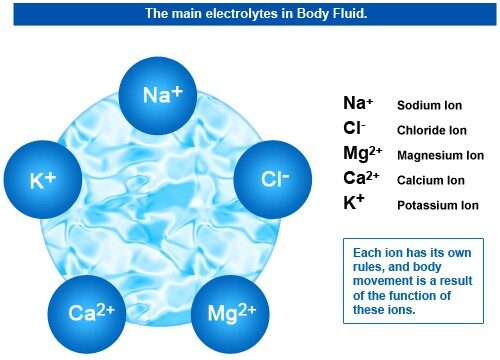
Look for products that provide a combination of key electrolytes, particularly sodium, potassium, and chloride (usually contained in the sodium chloride portion of the formula), but also magnesium and calcium. These minerals help support normal hydration processes and electrolyte balance.
Appropriate sugar levels
Most rehydration situations will benefit from carbohydrate (glucose) inclusion in a formula, but some may not. Consider whether you want a very sugary drink or a specially formulated product with a small amount of glucose added.
Quality ingredients
Many consumers prefer products that avoid unnecessary artificial colours, flavours, or excessive sweeteners. Ingredient preferences are highly individual, so choose a product that aligns with your personal needs and values.
Additional functional nutrients
Some products include vitamins, amino acids, or other ingredients that complement hydration support. These additions may offer benefits depending on your lifestyle and nutritional requirements.
Why do some electrolyte products include B vitamins?
B vitamins are commonly included in hydration products because they play important roles in normal energy metabolism.
Vitamins such as B1 (thiamine), B2 (riboflavin), B3 (niacin), B5 (pantothenic acid), B6, and B12 support the body to convert food into usable energy and support normal metabolic processes.
While B vitamins, apart from B6, do not directly hydrate the body, they can complement hydration-focused formulations by supporting everyday energy production and helping maintain normal physiological function.
For active individuals, travellers, busy professionals, or anyone managing demanding schedules, the addition of B vitamins may provide an added nutritional support alongside electrolyte replacement.
What's the benefit of vitamin C in an electrolyte drink?
Vitamin C is another nutrient commonly included in modern electrolyte formulations.
Its primary role is not hydration itself, but rather the broad range of functions it performs throughout the body. Vitamin C contributes to normal immune system function, supports collagen formation for healthy skin, blood vessels, cartilage, and bones, and acts as an antioxidant that helps protect cells from oxidative stress.
Including vitamin C in an electrolyte product allows manufacturers to provide additional nutritional support in a convenient format that people may already consume regularly.
For many consumers, combining hydration support with key vitamins offers a practical way to help meet daily nutrient needs while staying hydrated.
Why choose a single-serve sachet format?
Single-serve sachets have become one of the most popular formats for electrolyte supplements, and for good reason.
Convenience
Sachets are lightweight, compact, and easy to carry in a handbag, gym bag, backpack, suitcase, or even a pocket.
Portability
Unlike large tubs or ready-to-drink bottles, sachets can be taken almost anywhere without adding significant bulk or weight.
Freshness
Each serving remains sealed until needed, helping protect ingredients from moisture and exposure to air.
Accurate dosing
Pre-measured servings remove the guesswork and ensure consistent intake every time.
Less waste
Users only mix what they need when they need it, reducing the likelihood of unfinished bottles being discarded.
Versatility
Sachets can be used at the gym, during travel, at work, on hikes, during sporting events, or simply as part of a daily hydration routine.
add it all up and...
Electrolyte sachets, sports drinks, and electrolyte tablets can all support hydration, but they differ in their ingredients, convenience, and intended use. Sports drinks often combine hydration and energy, while electrolyte sachets typically focus on replacing key electrolytes in a portable, flexible format. Tablets offer another convenient option, though formulations can vary considerably, and effervescent ones offer the best bang for your buck.
When choosing an electrolyte product, look beyond the format and focus on what matters most: a balanced electrolyte profile, appropriate mineral and carbohydrate levels, ingredient quality, and a formulation that suits your needs. The right product is the one that helps you stay hydrated and supports your individual lifestyle.
For more on this topic, see:
What are electrolytes and why does your body need them?
When should you take electrolytes? Signs you’re low and how to replenish fast


 Vietnamese
  English
  Chinese