

Nutrients are the key to our health and particularly important for growing bones, developing immune function, and high energy levels. Although we all need the same nutrients, everyone requires different amounts of those nutrients depending on age, growth, and activity. Nutrients can generally be broken down into two categories: macronutrients—proteins, fats, and carbohydrates—and micronutrients—vitamins, minerals, and co-factors. Because both macro- and micronutrients have critical functions within the body, make sure you get the right balance for optimal health and well-being. Children especially need a nutrient-rich diet to help them with the increased requirements from physical activity, growth spurts, and learning.
Sau đây là 6 chất dinh dưỡng hàng đầu giúp con bạn khỏe mạnh trong mọi giai đoạn phát triển:
1. Chất đạm
The major building block of every cell in our body, protein is essential for life. In fact, it is so important, that experts have found that a human being will keep being hungry until their protein requirements for the day are met. There are proteins involved in helping your child’s body to break down food into energy, fight infections, and carry oxygen around the blood. There are 20 monomeric, “base” amino acids, from which we synthesise the proteins that help grow and repair our bodies. 9 are considered “essential” because our bodies cannot create them.
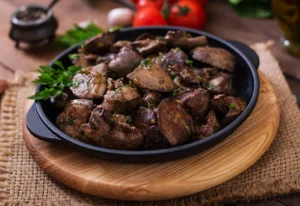
Animal protein is considered a complete protein source because it contains all essential and conditionally essential aminos, plus it contains vitamins and minerals in highly bioavailable forms. Organ meats and shellfish are especially rich in essential nutrients. Start early with organ meat to give them a taste for it. In many cultures, liver is a “first food” for babies when they start on solids. It is important to note that you need to eat the fat with the meat, so don’t trim the fat, and definitely do not take notice of the “eat lean protein” nonsense, at least, not for children.
Đối với thực phẩm từ thực vật, rất ít loại chứa tất cả 9 loại axit amin thiết yếu và một số axit amin sẽ không đủ, ví dụ như methionine và cysteine. Nhiều loại thực phẩm protein thực vật được chế biến rất nhiều với dầu và hương liệu bổ sung, và protein thực vật thiếu hầu hết các chất dinh dưỡng và cofactors mà protein động vật có. Ngoài ra, khả dụng sinh học của protein thực vật thấp hơn so với thực phẩm từ động vật, vì vậy bạn có thể kết hợp gạo và đậu để tăng lượng axit amin thiết yếu, nhưng chúng sẽ chỉ bằng một nửa khả dụng sinh học và do đó bạn sẽ phải ăn ít nhất gấp đôi lượng calo.
Additionally, plant foods contain many defense chemicals that inhibit the digestion/absorption of nutrients. Tofu and tempeh contain protein but should only be used occasionally or as a condiment, as they are in Asia. The few, truly vegetarian cultures around the world that raise their children without meat and fish experience far more health issues and even stunted growth and brain development issues. Even then, they usually priotritise eggs and dairy for their precious nutrient content. Proteins like carnitine, creatine, taurine, glycine, and carnosine are made in our body but often not at the level we require, so it is important to get those from food as well. These proteins are essential for healthy brain function, metabolism, muscle, digestion, and more, and they are not generally present in any plant foods. Research has shown that animal foods are advised as the basis of a child’s diet, chiefly because they are rich in bioavailable nutrients that are lacking or low in plant foods. Cultures that eat foods like rice and beans generally add meat and/or a bone broth to the dish, as well. Add to that the importance of getting collagen proteins into your and your kids’ diets too.
- Beef, lamb, venison, pork, etc.
- Gia cầm
- Cá
- Trứng
- Nội tạng động vật – gan, thận, tim, v.v.
- Whole (unprocessed) milk and cheese
- Collagen broths and collagen-rich meats (mince, tough cuts, skin, cartilage, etc.)
- Cơm và đậu (thường có thêm protein động vật)
2. Chất béo
Fats and cholesterol are essential for life and are found in every cell membrane. They have a major role in supporting skin health, moisture, and repair; assist with immune responses; and are a fuel source, particularly during sleep, for our hearts, or when we’re at rest. Cholesterol is the base molecule for our steroid (reproductive, stress, etc.) hormones and vitamin D. While we can synthesise fats and cholesterol in our body, it is necessary to have fat within your diet for your body to absorb the fat-soluble vitamins, D, E, K, and A, plus we only make up to 80% of the cholesterol we need every day. Research has shown that children who eat a low-fat diet are more likely to be obese adults and experience issues with their facial and bone structure, etc., causing breathing problems, among others.
The omega-3 and -6 fatty acids are not made in our body, so we must obtain them from our diet. Healthy animal fats, including red meat, but especially fish, contain the essential omega-3 fatty acids, DHA and EPA, that are critical for brain health, development, and growth. Vegetable oils are highly refined, and the omega-6 to omega-3 ratio is too high. Nuts and seeds contain the precursor to DHA and EPA, called alpha-linolenic acid, but, unfortunately, the conversion to EPA, and especially DHA, is restricted in most of us. This is why it is important for children to consume animal fats and why traditional cultures prioritise animal foods for their youngsters.
- Animal fats–fatty meats, incl. fish
- Milk fats–Butter, ghee, full fat yoghurt, cheese
- Lòng đỏ trứng
- Tallow, lard
- Fruit fats—Avocado, olive, coconut oils
- Một ít hạt và hạt giống (tốt nhất là đã ngâm và "kích hoạt")
3. Carbohydrate
Carbohydrate, in the form of glucose, is considered the main source of energy for the body—glucose is essential for a well-functioning brain, and some cells in the body, e.g., red blood cells, can only use glucose for energy. The body is very good at making glucose, but it is better to get all the things your body needs in your diet, wherever possible. Children, however, do require carbohydrates in their diet; otherwise, they may suffer from growth issues. Ketogenic diets are very popular nowadays; however, children placed on them for treatment reasons display stunting and thyroid issues.
Carbohydrates support mood hormones and help children to use fats and protein for building and tissue repair. without carbohydrates in a diet, stress hormones will elevate to facilitate the production of glucose in the liver. As well, the thyroid will down regulate many processes in the body, including immune function, in order to conserve energy. Minerals and fluids can become unbalanced and lead to restless limbs and muscle tension, as well as tiredness, and more. Some humans do well with fewer carbs and some do better with more–find where you and your kids sit.
Carbohydrates come in many forms, including root vegetables (e.g., kumara, potatoes, and carrots) and fruits and vegetables. Whole grains are not essential in the diet (all essential nutrients can be obtained through an animal-based diet with fruits, a bit of veg, and tubers) but can be used if prepared properly through soaking, sprouting, fermenting, and cooking, as humans have done for thousands of years. The most important thing to remember is to limit or omit highly processed foods and carbohydrates, except for traditional refined carbohydrate foods like white rice and traditional pastas, which can be enjoyed a bit more.
- bí ngô
- Kumara
- Khoai tây
- Cà rốt
- Fruits
- Vegetables (most are fairly low in carbohydrate)
- Cơm
- Soaked/fermented porridges or breads from traditional grains
4. Canxi

Calcium is essential for building strong bones and healthy teeth. But did you know that calcium is also important for energy production, immune and reproductive system regulation, and nerve and heart function? Again, the best sources for calcium are animal foods because plant foods contain compounds, like phytates and oxalates, which can bind and inhibit the absorption of calcium and other minerals. Bioavailability of calcium in seeds can be increased by traditional plant food preparation methods (soaking/activating), but these should not be relied upon for the bulk of a child’s calcium needs. The same can be said for leafy greens–they do contain calcium and will contribute to a daily calcium intake but cannot be relied on to provide all your child’s calcium needs. Choose dairy that has been processed as little as possible. Dairy should be avoided if the child has an allergy to dairy, or it is culturally inappropriate.
- Sữa động vật chưa qua chế biến
- Cheeses and/or cream/cottage cheeses
- Sữa chua và/hoặc kefir
- Cá hồi đóng hộp có xương
- Bột xương
- Vỏ trứng đã tiệt trùng và nghiền thành bột (thực phẩm chức năng bổ sung)
- Activated sesame seeds (and other nuts)
5. Sắt
Necessary for healthy blood, iron aids normal cell function and carries oxygen into the cells all over the body to support energy levels. Iron is also essential for healthy brain function and mood. Iron comes in two forms: haem and non-haem iron. Haem-iron comes from animal foods, especially organ meats—liver is the richest source—and so animal foods should be prioritised. Non-haem iron comes from plants, is poorly absorbed, and requires vitamin C with the meal. The most important thing to know about iron, is that we do recycle the iron in our bodies very efficiently. But we still require a good amount every day. And we also require copper, vitamin A (retinol), and vitamin C in order to manage iron in our bodies. The beauty of organ meats is they contain all (yes, even some vitamin C!) of those nutrients.
- Organ meats, especially liver
- Fish, pork, poultry, red meat
- Shellfish, especially mussels
- Rau lá xanh đậm (hấp thụ kém)
6. Vitamin C
Một chất dinh dưỡng thiết yếu, Vitamin C không thể được lưu trữ trong cơ thể và phải được tiêu thụ trong chế độ ăn uống. Không chỉ quan trọng đối với sức khỏe miễn dịch; Vitamin C giúp cơ thể chữa lành vết thương và làm giảm sự phát triển của vết bầm tím bằng cách tăng cường thành mạch máu. Vitamin C giúp giữ cho nướu và răng khỏe mạnh và hỗ trợ sự phát triển của xương chắc khỏe.
- Trái cây họ cam quýt
- Kiwifruit–especially gold
- dâu tây
- nho đen
- Ớt đỏ
- Súp lơ xanh
- Fresh organ meats (especially adrenal glands)
Bonus Round–Additional Essential Nutrients
There are many other essential vitamins and minerals—the fat-soluble vitamins A, D3, K2, and E, for example—are critical for the development of your child’s immune and reproductive systems, and their teeth, skeleton, and facial structure, all of which, have implications for their health as an adult. And let’s not forget about the B vitamins! Other essential minerals for growth and development, such as magnesium, iodine (very important at puberty), potassium, phosphorus, copper, and zinc, are more bioavailable in animal foods, but they can be obtained by traditionally preparing plant foods. Traditional preparation of these foods is outlined in detail at Quỹ Weston A. Price trang web. Nếu bạn và gia đình tập trung vào…
- thức ăn động vật và chất béo của chúng
- easily digestible carbohydrates like fruit, tubers, and the veggies mà bọn trẻ thích
- chỉ sử dụng thực phẩm nguyên chất
- học cách chế biến và chuẩn bị thực phẩm từ thực vật theo cách truyền thống
- và giảm thiểu hoặc loại bỏ đồ ăn vặt và thực phẩm chế biến sẵn
…con bạn sẽ có đủ chất dinh dưỡng cần thiết để phát triển và học tập. Dạy trẻ về tầm quan trọng của dinh dưỡng sẽ giúp trẻ phát triển thói quen tốt cho tương lai.


 Vietnamese
  English
  Chinese