
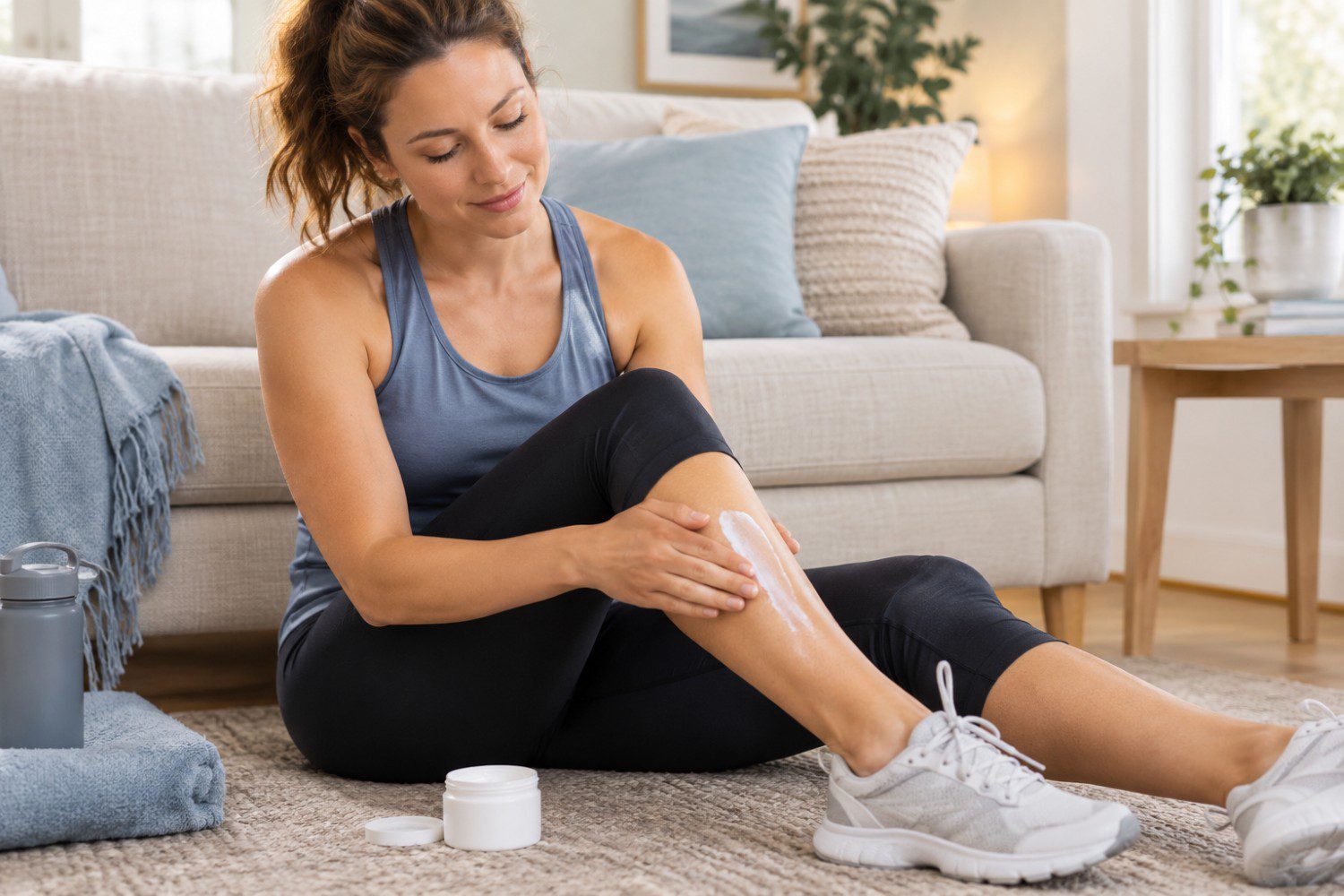
Your to-do list can wait. Take five minutes for yourself.
Between back-to-back meetings, endless notifications, workouts, social plans and trying to get enough sleep, self-care can easily become another thing on the list. But looking after yourself doesn't always mean booking a massage, taking a weekend away or completely changing your routine.
Sometimes, it starts with something much simpler: a warm shower, your favourite playlist, a nourishing cream and five uninterrupted minutes to slow down.
Enter topical magnesium — a popular addition to modern self-care routines that brings together the simple pleasure of massage, skincare and a little intentional time for yourself.
Whether you're winding down after a workout, getting ready for bed or simply craving a moment away from your screen, here's how to make magnesium cream part of your everyday ritual, alongside the nutritional foundations that support your wellbeing.
What Is Topical Magnesium?
Topical magnesium is magnesium in a product designed to be applied directly to the skin, such as a cream, lotion or oil.
Unlike oral magnesium, which you take as a capsule, tablet or powder, topical magnesium is applied externally. Many people enjoy using magnesium creams as part of a massage or skincare routine because they are easy to incorporate into everyday life.
It’s worth remembering that magnesium is an essential mineral involved in normal muscle and nervous system function. However, applying a magnesium cream to your skin is not a substitute for getting enough magnesium through your diet or supplementation.
The appeal of a topical cream can also be about the experience itself: taking time to massage your skin, paying attention to how your body feels and creating a small pause in a busy day.
Why Self-Care Is About More Than a Face Mask
Self-care has become a familiar part of the wellness conversation, but it doesn’t have to mean an elaborate skincare routine or an expensive wellness retreat.
Small, repeatable habits can help create a sense of structure and intention in your day.
Think about the things that help you switch gears: changing into comfortable clothes after work, stretching after the gym, making a cup of herbal tea or putting your phone away before bed.
Adding a cream application or gentle massage to one of these moments can make it feel more intentional.
You might use a magnesium cream after exercise, when you’re moisturising after a shower or as the final step in your evening routine. The goal is to create a ritual you enjoy and can realistically maintain — not another wellness rule to follow.
The best self-care ritual is the one that fits your real life.
Magnesium Baths: An Age-Old Self-Care Ritual
Long before modern wellness routines, bathing was valued across many cultures as a way to pause, unwind and care for the body. Mineral-rich bathing traditions, including the use of Epsom salts (magnesium sulphate), remain popular today as part of a relaxing bath ritual.
A warm bath offers an opportunity to slow down, ease into the evening and enjoy a little time away from everyday distractions. Whether you add Epsom salts to your bath or simply enjoy warm water and a quiet moment, it can be a lovely way to make self-care part of your routine.
The Botanical Side of Self-Care: Herbs With a Long History
Long before modern wellness routines and carefully curated bathroom shelves, people used plants in traditional herbal preparations, massage oils, balms and skincare.
Today, botanical ingredients continue to feature in many topical products, bringing different textures, aromas and traditions to the self-care experience.
Here are four herbs with a rich history of traditional use.
Lavender: A Familiar Favourite for Evening Rituals
Lavender (Lavandula angustifolia) is perhaps one of the most recognisable botanical ingredients in modern self-care. Its distinctive floral aroma has made it a popular ingredient in bath products, massage oils, perfumes and aromatherapy.
Traditionally, lavender has been used in herbal preparations associated with mild mental stress and exhaustion. Some lavender preparations have also been traditionally used to support sleep, although evidence varies according to the preparation and how it is used.
In a self-care routine, lavender’s familiar scent can be a lovely cue to slow down, dim the lights and transition from the demands of the day to a quieter evening.
Chamomile: A Classic Botanical
Chamomile (Chamomilla matricaria) has a long history in traditional herbal practices, dating back to ancient civilisations. It is widely recognised as an ingredient in herbal teas, skincare products and topical preparations.
Chamomile has traditionally been used in preparations for certain skin concerns, although the evidence for specific benefits is limited and depends on the product and intended use.
As a botanical ingredient, chamomile is often associated with gentle, comforting self-care. It can be a natural fit for products designed around a simple, soothing skincare experience.
Peppermint Essential Oil: Awaken the senses
An essential oil that is a favourite topically, it’s fresh aroma can awaken the senses and its cooling effect on the skin supports that soothing sensation of tired stiff muscles.
Peppermint Oil (Mentha Piperita) traditional effects come primarily from menthol and menthone, which stimulate cold receptors in the skin and relax smooth muscles.
Comfrey: An Old Favourite in Herbal Balms
Comfrey (Symphytum officinale) is another plant with a long history in traditional herbal preparations, including balms and creams for external use.
Certain regulated comfrey-root preparations have traditionally been used for minor sprains and bruises. This does not mean every comfrey-containing cream has the same properties, and the evidence depends on the preparation.
Don’t Forget the Foundations: Magnesium in Your Diet
A topical self-care ritual can be one enjoyable part of a broader wellness routine, but when it comes to magnesium nutrition, what you eat matters.
Magnesium is an essential mineral involved in hundreds of processes in the body. It contributes to normal muscle and nervous system function, energy metabolism and the maintenance of normal bones.
Fortunately, magnesium is found in a variety of everyday foods, making it possible to include more of this important nutrient without overcomplicating your meals.
6 Everyday Foods That Provide Magnesium
1. Pumpkin seeds: Sprinkle them over porridge, yoghurt or a salad for a convenient source of magnesium.
2. Almonds and cashews: Keep a handful on hand for a snack or add them to breakfast bowls and homemade trail mix.
3. Spinach and other leafy greens: Add spinach to omelettes, stir-fries, smoothies or your favourite lunch bowl.
4. Beans and lentils: These versatile pantry staples provide magnesium alongside fibre and plant-based protein.
5. Whole grains: Oats, brown rice and wholegrain breads can all contribute magnesium to your daily intake.
6. Dark chocolate: Enjoyed in moderation, dark chocolate can contribute magnesium while making a satisfying treat.
The amount of magnesium varies between foods and serving sizes, but regularly including a variety of nuts, seeds, legumes, whole grains and leafy green vegetables is a practical place to start.
If you’re concerned about your magnesium intake, a healthcare professional can help you assess your dietary needs and whether supplementation is appropriate. Good Health has a range of excellent magnesium supplements such as Magnesium Glycinate Và Magnesium Glycinate Plus.
How to Create Your Own Magnesium Cream Ritual
You don’t need a complicated routine to make self-care feel more intentional. Start with something you already do and build from there.
Your five-minute evening reset 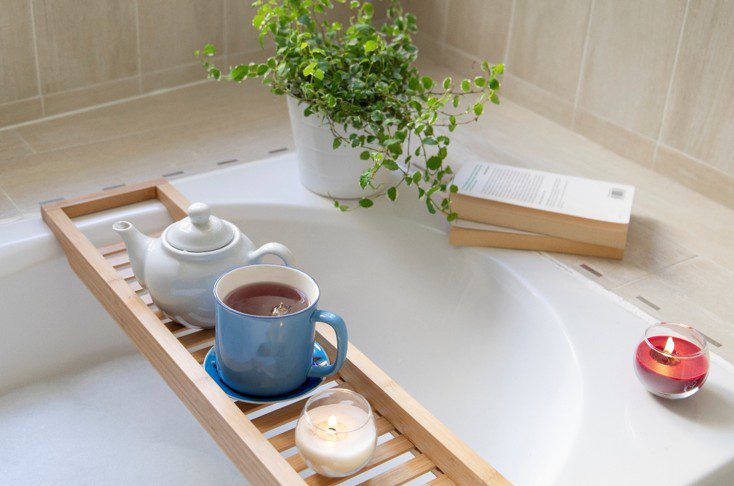
Step 1: Create a little breathing room
Put your phone on silent, turn down the lights or play a favourite song. Give yourself a few minutes without distractions.
Step 2: Start with warm, dry skin
After your shower or bath is a great time to apply magnesium cream. Make sure your skin is clean and dry, and the warmth will also support absorption of the cream.
Step 3: Apply your cream as directed
Use your chosen magnesium cream according to the label. Avoid broken or irritated skin and stop using the product if irritation develops.
Step 4: Slow down the application
Take your time applying the cream. Gentle massage can make the experience feel more deliberate and give you a moment to focus on yourself rather than the next task.
Step 5: Finish with one small act of care
Stretch gently, read a few pages of a book, prepare your clothes for tomorrow or simply enjoy a few quiet minutes.
The point isn’t to create the perfect routine. It’s to find a small habit that makes your day feel a little more balanced.
Discover Good Health Magnesium Creams
If you’re looking to add a topical magnesium product to your self-care routine, Good Health offers three options to explore.

Good Health Magnesium Sleep Cream
A magnesium cream providing 28g of magnesium per 5mL serve, formulated with calming botanicals for an evening-focused self-care ritual. Incorporate it into your bedtime routine in accordance with the product directions. Suitable for children and adults.

Good Health Magnesium Cream
A topical magnesium cream that provides 56mg of magnesium per 5mL serve, designed for everyday use as part of your personal care routine. It can be incorporated into a post-shower ritual or a moment of self-care after a busy day. Suitable for teens and adults.
Good Health Extra Strength Magnesium Cream 
A topical magnesium cream that provides 112mg of magnesium per 5mL serve, that’s perfect for after a workout or a busy day to support tired and stiff muscles. In a convenient tube, for less mess and easy to throw into your workout bag. Suitable for teens and adults.
Explore the ingredients, directions and precautions for each product to find the option that best fits your preferences and routine.
Make Space for Your Own Kind of Self-Care
Wellbeing isn’t built through one perfect habit. It’s the combination of everyday choices that help you look after yourself — from eating a varied diet and staying active to making time to unwind.
A magnesium cream can be one small part of that picture: an opportunity to pause, enjoy a massage and turn an everyday moment into a more intentional ritual.
So, tonight, let the dishes wait for five minutes. Put your phone down, take a breath and make a little space for yourself.
Because self-care doesn’t have to be complicated to feel worthwhile.
Frequently Asked Questions About Topical Magnesium
What is topical magnesium?
Topical magnesium is magnesium in a cream, lotion or oil designed to be applied to the skin. It is commonly incorporated into massage and personal care routines.
How do you use magnesium cream?
Follow the directions on the product label, applying it only to the recommended areas of skin. Many people incorporate cream application into their post-shower, post-exercise or evening self-care routine.
Can magnesium cream be part of a bedtime routine?
Yes. Applying a cream can be part of a consistent evening self-care ritual.
Which foods are rich in magnesium?
Good dietary sources of magnesium include pumpkin seeds, almonds, cashews, spinach, beans, lentils, oats and other whole grains. Eating a varied diet helps provide magnesium alongside other essential nutrients.
What are lavender and chamomile traditionally used for?
Lavender has a long history in aromatic preparations, bath products and traditional herbal use. Chamomile has traditionally been used in teas and topical preparations for certain skin concerns. The evidence and appropriate uses vary by preparation.
What is the difference between magnesium cream and oral magnesium?
Magnesium cream is applied externally, while oral magnesium is swallowed and absorbed through the digestive tract. Creams should not be assumed to replace dietary magnesium or oral supplementation when needed.


 Vietnamese
 English
 Chinese