

Electrolytes have become one of the most talked-about nutrition topics in recent years. Once associated mainly with athletes and endurance events, electrolyte drinks and powder sachets are now used by office workers, busy parents, travelers, gym goers, and anyone looking to support hydration and wellbeing. But what exactly are electrolytes, why are they so important, and what is RE:HYDRATE?
 Electrolytes are minerals that carry electrical charges and regulate fluid balance, nerve signals, and muscle contractions in the body. You lose electrolytes through sweat, urine, and illness, which is why plain water alone is not always enough to rehydrate. Co-factors for hydration include nutrients like glucose, vitamin C, amino acids, and b vitamins. Electrolyte supplements can support the replenishment of electrolytes supporting both hydration and energy metabolism. Some, like Rapid Hydrate, include five main electrolytes — sodium, potassium, magnesium, calcium, and chloride — while others, like RE:HYDRATE, contain three that do the bulk of the heavy lifting — sodium, potassium, and chloride, with added B vitamins for energy, vitamin C for recovery, and glucose for fast absorption.
What are electrolytes?
Electrolytes are minerals that carry an electrical charge when dissolved in water. They are found throughout the body, including in your blood, cells, tissues, and bodily fluids.
The human body is roughly 60% water (age, sex and body composition affect the actual percentage). When certain minerals dissolve in liquid, their atoms separate into positively or negatively charged ions. Those ions can conduct electricity and travel in and out of cells, creating electrical signals that govern things like nerve firing and what passes in and out of cells. Dissolving table salt in water, for example, splits it into a positively charged sodium ion and a negatively charged chloride ion. The electrical current jumps between these ions, not through the water itself.
The ions travel in and out of cells, carrying electrical signals and shuttling chemical compounds across cell membranes. That’s the core job of every electrolyte: maintaining the electrical and chemical balance your cells need to function. Electrolytes need to be regularly replenished through food and fluids.
What do electrolytes do in the body?
One of the most important roles of electrolytes is helping to maintain hydration.
Water naturally moves throughout the body, but electrolytes help direct where that water goes and how it is retained. They assist with maintaining the balance of fluids inside and outside cells, which is essential for normal function.
 Electrolytes also support:
- Muscle contraction and relaxation, including the heart beating
- Nerve signalling and communication
- Maintaining normal blood pressure
- Transporting nutrients into cells
- Supporting cellular energy production
- Regulating acid-base (pH) balance within the body
- Stable blood sugar levels indirectly by improving hydration, insulin sensitivity, and glucose metabolism.
That last function may surprise people. Magnesium, in particular, supports insulin sensitivity by helping insulin receptors function properly. Low magnesium levels can impair glucose uptake, contributing to insulin resistance. Potassium contributes to the proper operation of pancreatic beta-cells, specialized cells located in the pancreas. These beta-cells are responsible for producing and releasing insulin, a hormone that regulates blood sugar.
Potassium also influences the movement of glucose into cells. The Na+/K+-ATPase pump, a protein embedded in cell membranes, actively transports potassium into cells while pumping sodium out. This pump helps maintain the necessary electrochemical gradient across the cell membrane, which is indirectly involved in glucose transport mechanisms. Proper functioning of this pump supports the cellular uptake of glucose facilitated by insulin.
What are the main electrolytes?
Several minerals act as electrolytes, but sodium, potassium, and chloride are particularly important because they are lost in large amounts in sweat, diarrhoea, or vomit. RE:HYDRATE contains these 3, core electrolytes. Magnesium and calcium are also important but are not usually lost to anywhere near the same extent unless the fluid loss is prolonged. Phosphate (phosphorus) and bicarbonate (baking soda) are also important electrolytic minerals but most of us get plenty of phosphorus in food and our bodies make plenty of bicarbonate.
Because they are required in amounts generally exceeding 100 milligrams per day, primary electrolytes are classified as major minerals (macrominerals).
Sodium
Sodium is the primary electrolyte found outside the body’s cells. It plays a key role in maintaining fluid balance and helping the body retain water. When we sweat, sodium is one of the main minerals lost. This is why many hydration products include sodium as a core ingredient. Sodium has been demonised over the past 60 years due to a flawed study conducted in the 1960s that linked excessive sodium intake to high blood pressure. The amounts used in that study were extreme and not the sort of amounts we would naturally want to eat in a day. Recent research suggests that most people do not need to worry about salt intake, especially in the context of a healthy diet that includes optimum intakes of all the major and trace minerals.
Potassium
Potassium works closely with sodium to help regulate fluid balance and support normal nerve and muscle function. It is found naturally in foods such as dairy, bananas, potatoes, meat, and avocados. It is particularly important to get optimum potassium to balance sodium.
Magnesium
Magnesium is involved in hundreds of biochemical processes throughout the body. It contributes to normal muscle function, nervous system function, and energy production.
While magnesium is not lost through sweat to the same extent as sodium, it remains an important component of many electrolyte formulas.
Chloride
Chloride often receives less attention than the other electrolytes, but it is essential for fluid balance and hydration. It commonly occurs alongside sodium as sodium chloride, more commonly known as salt and is a major component of stomach acid.
Calcium
Calcium is an essential electrolyte that helps regulate the movement of water within and between cells. It facilitates the transport of ions across cell membranes, which is vital for maintaining proper hydration levels. By controlling fluid balance at the cellular level, calcium ensures that cells remain hydrated and function optimally.
How Are Electrolytes Regulated in the body?
Electrolytes are regulated by the kidneys, lungs, and hormones. The kidneys filter excess electrolytes and return them to the blood as needed, while hormones like aldosterone, insulin, and antidiuretic hormone (ADH) help maintain sodium and water balance. When these systems are disrupted, or mineral intake or balance is off, electrolyte levels can drop, affecting nerve, muscle, and heart function.
What happens when you're low in electrolytes?
Electrolyte losses can occur through sweating, illness, vomiting, diarrhoea, inadequate fluid intake, or periods of increased physical activity. When electrolyte levels become depleted, people may experience symptoms such as:
- Fatigue
- Headaches
- Muscle cramps
- Reduced exercise performance
- Dizziness
- Difficulty concentrating
- Increased thirst
These symptoms are not always caused by electrolyte imbalance, but they can occur when the body’s fluid and mineral balance is disrupted. Maintaining adequate hydration and electrolyte intake can help support normal physiological function, particularly during periods of increased fluid loss. This is especially for the electrolytes, sodium, potassium, and chloride, which are contained in RE:HYDRATE.

Do you need electrolytes every day or only after exercise?
Many people obtain electrolytes through a balanced diet and regular fluid intake, but a lot of us are following outdated advice to reduce salt and/or sodium in particular.
Additionally, electrolyte requirements can increase during certain situations, including:
- Intense exercise
- Hot weather
- Heavy sweating
- Travel
- Physically demanding work
- Illness involving fluid loss
- Sometimes even the “midafternoon slump” at work
Electrolytes are not only relevant for athletes. Everyday hydration relies on an appropriate balance of both fluids and minerals. If you’re someone who experiences thirst that can’t be quenched easily by water, you may need more electrolytes.
For some individuals, an electrolyte supplement may be a convenient way to support hydration during periods of increased demand. For others, regular meals, spring water, and mineral-rich foods may provide sufficient intake.
Which B vitamins support energy and hydration?
Some electrolyte formulas include B vitamins alongside minerals to provide broader nutritional and energy support, with B6 also contributing to electrolyte balance. B vitamins can indirectly support hydration by aiding electrolyte function and fluid balance, particularly during physical activity.
Vitamin B3 (Niacin)
Vitamin B3 contributes to normal energy-yielding metabolism, helping the body convert food into usable energy.
 Vitamin B5 (Pantothenic Acid)
Vitamin B5 supports normal energy metabolism and plays a role in the production and metabolism of certain hormones and neurotransmitters.
Vitamin B6
Vitamin B6 contributes to normal protein and glycogen metabolism and supports normal nervous system function. It also supports sodium-potassium pump function, which is essential for maintaining electrolyte balance and preventing dehydration during physical activity.
Vitamin B12
Vitamin B12 contributes to normal energy metabolism and helps reduce tiredness and fatigue when consumed as part of a healthy diet.
Together, these B vitamins help support the body’s natural energy-producing processes, making them an important addition to RE:HYDRATE.
Vitamin C is another common addition to electrolyte products.
It is well known for its role in supporting immune system function, but it also contributes to normal collagen formation, which supports healthy blood vessels, skin, cartilage, and connective tissues. Vitamin C also acts as an antioxidant, helping protect cells from oxidative stress. Including vitamin C alongside electrolytes can provide additional nutritional support, particularly during periods of physical exertion, travel, or seasonal challenges.
What is glucose and why is it in an electrolyte drink?
Glucose is a simple carbohydrate and one of the body’s preferred energy sources. In electrolyte drinks, small amounts of glucose serve a purpose beyond energy.
The small intestine contains specialised transport mechanisms that absorb sodium and glucose together. As sodium and glucose are absorbed, water follows. This process can help improve fluid uptake compared with water alone. This is why many oral rehydration solutions contain a combination of electrolytes and glucose. Importantly, the amount of glucose used in powdered hydration formulas is typically much lower than the sugar (sucrose = glucose + fructose) levels found in many soft drinks or traditional sports hydration beverages. RE:HYDRATE contains just 6.5 grams of glucose.
Are electrolyte sachets better than sports drinks?
Both electrolyte sachets and sports drinks can provide hydration support, but they are often designed for different purposes.
Sports drinks were traditionally developed to provide both carbohydrates and electrolytes during prolonged exercise. Many contain relatively high amounts of sugar to provide a source of energy during endurance activities.
Electrolyte sachets, on the other hand, are often formulated with a greater focus on hydration and mineral replacement. Many contain lower levels of sugar or use only small amounts of glucose to support fluid absorption.
Whether one is “better” depends on the situation.
For individuals looking primarily to support hydration, RE:HYDRATE electrolyte sachets may be a convenient option. For athletes undertaking prolonged, high-intensity exercise, a sports drink may provide both hydration and high carbohydrate fuel.
Good Health RE:HYDRATE - The Hydration Solution
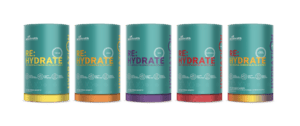
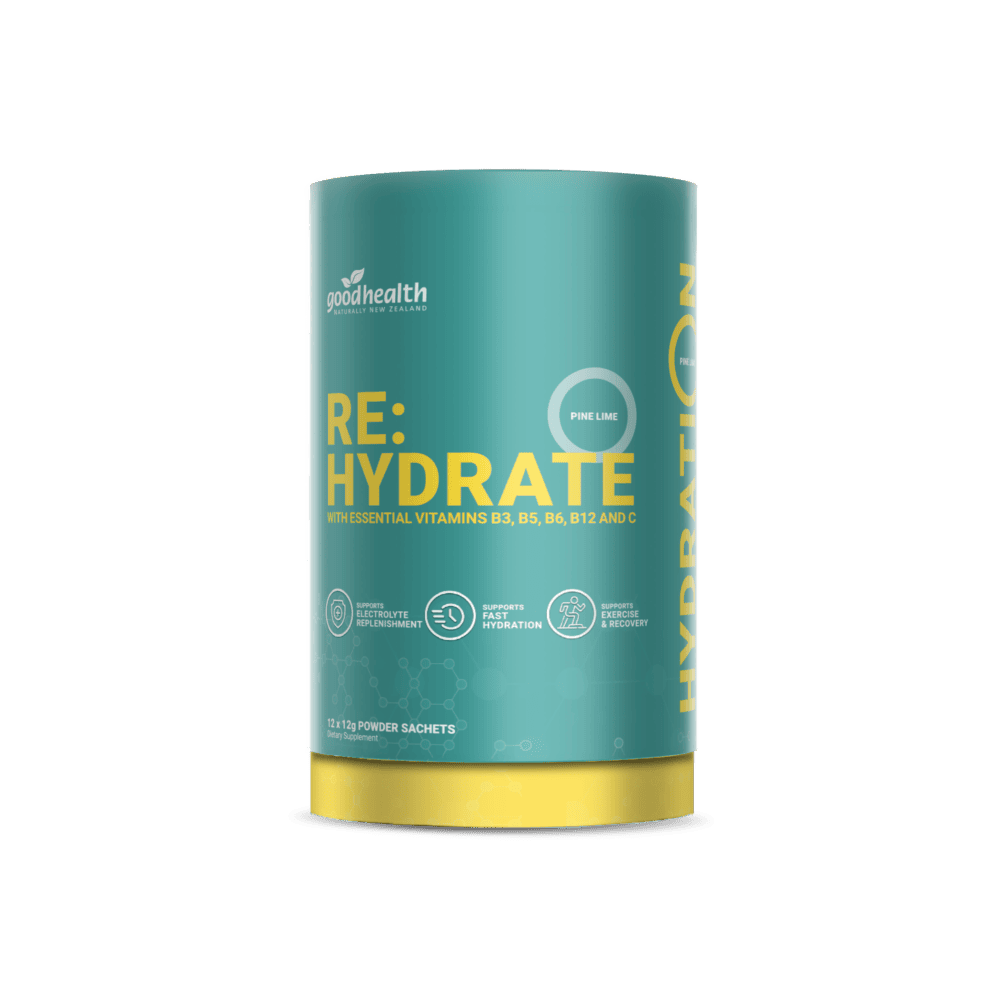
Good Health RE:HYDRATE is an advanced electrolyte and vitamin formula designed to support cellular and overall hydration, and post-exercise recovery. It prioritises sodium, chloride, and potassium because these are the main electrolytes lost in sweat or other fluid loss. It also contains Vitamins C, B3, B5, B6, and B12 for energy and recovery support, and glucose to support the fast absorption of minerals in the gut and fluid balance in cells. RE:HYDRATE works quickly to support true hydration when you need it most—during intense exercise, after fluid loss from illness, during prolonged heat exposure or increased thirst, or when muscles are tense after exercise, etc. Comes in Pine Lime, Mango, Berry, Watermelon, and Mixed Flavours.
Supports:
Cellular and extracellular hydration
Mineral and electrolyte balance
Hydration after illness
Hydration during or after intense exercise
Relaxed muscles, especially at night
Tiredness due to mineral loss or heat exposure
Energy metabolism and muscle recovery
The Bottom Line
Electrolytes are essential minerals that help regulate hydration, support nerve and muscle function, and contribute to many of the body’s normal physiological processes. While most people obtain electrolytes through food and drink, increased needs can occur during exercise, hot weather, travel, or periods of fluid loss.
Modern electrolyte supplements often combine key minerals such as sodium, potassium, magnesium, calcium, and chloride with nutrients like B vitamins and vitamin C to provide broader nutritional support. Whether you’re training for an event, working outdoors, travelling, or simply looking to support daily hydration, maintaining a healthy balance of fluids and electrolytes with RE:HYDRATE can help your body function at its best.


 English
  Chinese
  Vietnamese