

Most of us have had some sort of electrolyte drink at some point – whether it was while playing sport or doing endurance exercise, recovering from illness where we lost fluids, or needing some extra support when getting through some physical work outside on a stinking hot day. So, we know there are minerals like sodium and potassium in there, and probably glucose to support absorption of minerals, but we have noticed more and more electrolyte powders coming out with B vitamins added. Let’s find out why that might be…
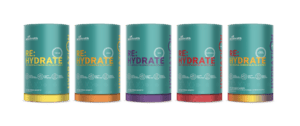 Hydration is only part of the recovery process when minerals are lost through sweat or illness. In order to recover well we need our body to make the energy to do so. This is where the B vitamins come in. B vitamins are all used in some capacity or other to create energy in the body. They are water-soluble, which means they are easily flushed out in urine and not stored in our body, therefore it is necessary to top them up from our diet every day (the exception is B12, which can be stored for 3-5 years due to being bound to transport proteins). This becomes even more important when we are recovering from exercise, heat exhaustion, or illness. The RE:HYDRATE range includes B vitamins and electrolytes to support your recovery.
What does vitamin B3 (niacin) do for hydration and recovery?
Vitamin B3 (niacin) is included in RE:HYDRATE because it helps your body convert the carbohydrates, fats and protein from food into usable energy, helping to support normal energy metabolism alongside electrolyte replacement.
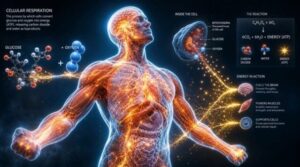
After absorption in the intestines, niacin is transported through the bloodstream as nicotinic acid and nicotinamide and taken up by tissues. Within tissues, it is converted to its coenzyme forms NAD+ (nicotinamide adenine dinucleotide) and NADP+ (nicotinamide adenine dinucleotide phosphate), which then act as electron carriers in metabolic pathways, including NAD+ in glycolysis, the Krebs cycle, and the electron transport chain and NADP+ in fatty acid, electron transport chain, and nucleotide synthesis. These pathways produce ATP, the primary energy currency of cells. Your brain function, heart health and blood flow, energy production, metabolism, DNA repair, cholesterol synthesis, antioxidant synthesis, and more rely on these niacin dependent coenzymes.
Alcoholism, malnutrition, digestive disorders, and prolonged use of certain medications that interfere with absorption can lead to a deficiency of niacin. Deficiency may present as low mood, disorientation, head tension, apathy, tiredness, queasiness, a swollen mouth, loose bowels, scaly skin, and low brain function. Niacin is found in most foods, with the highest amounts in animal foods, especially offal, poultry, and fish.
What is vitamin B5 (pantothenic acid) and why does it support recovery?
Vitamin B5 (pantothenic acid) is included in RE:HYDRATE because it supports energy metabolism and mental performance. It’s included in an electrolyte drink to support your body’s natural recovery processes after exercise or periods of physical activity, when both hydration and energy metabolism are important.
Pantothenic acid also plays a role in the conversion of the foods we eat into usable energy. It is critical in the manufacturing of red blood cells, producing sex and stress hormones, and supporting a healthy digestive tract and immune system. Pantothenic acid is a water-soluble vitamin that also plays a crucial role in the synthesis of coenzyme A, which helps enzymes build and break down fatty acids and perform other metabolic functions.
Since pantothenic acid occurs in almost all foods, deficiency is very rare; however, it may occur in combination with deficiencies of other B vitamins. Symptoms of a deficiency include low mood, tiredness, irritability, poor sleep, digestive upset, hot feet, respiratory illnesses, and muscle tension. People at a greater risk of developing a deficiency include alcoholics, women on oral contraceptives, those with severe malnutrition, and people with impaired absorption of nutrients due to certain medications or digestive disorders. The best food sources of pantothenic acid are meats, eggs, mushrooms, avocados, and whole dairy.
How does vitamin B6 support electrolyte and fluid balance?
Vitamin B6 helps the body metabolise protein and glycogen, supporting normal energy production during and after exercise. While it does not directly support the regulation of fluid or electrolyte balance, it supports normal muscle function and works alongside the electrolytes in RE:HYDRATE in supporting healthy hydration.
Vitamin B6 plays a crucial role in maintaining electrolyte balance and fluid homeostasis in the body. It supports hormonal regulation and works alongside other minerals to influence fluid balance, particularly in conditions like premenstrual syndrome (PMS) where it can help reduce fluid retention and bloating. While it does not act as a traditional diuretic, its influence on fluid balance is indirect, primarily supporting hormonal and electrolyte regulation. Consistently high doses of supplemental vitamin B6 (well over 100 mg per day), especially in the form of pyridoxine, can be toxic, leading to nerve damage and other adverse effects, so it is important to follow recommended dosages.
Why is B12 included — and who is most likely to be deficient?
Vitamin B12 supports normal energy metabolism, nervous system function, and healthy red blood cell formation, making it a valuable addition to RE:HYDRATE. People following vegetarian or vegan diets, older adults, and those with reduced B12 absorption may be more likely to have lower B12 levels.
Vitamin B12, also known as cobalamin, is probably the most well-known B vitamin, possibly because it is impossible to get in any useable B12 from any plant food sources. In broad terms, the B12 found in algae, natto, and certain mushroom species is an inactive B12 analogue and is not utilised by the human body in a meaningful way. The very best source of B12 is any animal food, especially liver.
Vegans and vegetarians are most at risk from B12 deficiency, not only because their intake is low to non-existent, but their stomach secretions decrease from the lack of animal protein – strong stomach acid and intrinsic factor are required to digest and absorb B12. There are also other reasons for decreased stomach secretions, and certain medications can block B12 digestion and uptake. Signs of deficiency include low energy or, when deficiency is severe, “falling asleep standing up”, lack of focus and mental clarity, low mood, infertility, low testosterone, digestive problems, low thyroid, lack of motivation, muscle tension, and nerve issues. B12 deficiency is extremely dangerous, so please see your GP if you suspect you may lack B12.
What does vitamin C do in an electrolyte drink?
Vitamin C does much more than support hydration. It helps protect cells from oxidative stress, supports normal immune system function, and contributes to normal collagen formation for healthy connective tissue. Including vitamin C in RE:HYDRATE provides additional nutritional support during or after physical activity.
B vitamins are water-soluble — does that mean you need to replenish them daily?
 B vitamins are water-soluble. They dissolve in water, are absorbed through the small intestine, and any excess is filtered out by your kidneys and excreted in urine. This makes them fundamentally different from fat-soluble vitamins (A, D, E, and K), in that they are easily flushed from our body. They aren’t stored in large amounts by the body and need to be regularly obtained from the diet. Including them in an electrolyte drink is a convenient way to support normal energy metabolism while rehydrating. In contrast, the fat-soluble vitamins, A, D, E, and K, are easily stored and much harder to excrete due to being made of fat. These vitamins are assembled from isoprenoid units – the same building blocks used to create cholesterol. This structural similarity explains why they dissolve in fats and oils rather than water. While technically also water-soluble, vitamin B12 behaves differently from the other B vitamins. Your liver stores significant amounts of it bound to transport proteins; however, these are depleted slowly over time, so regular replenishment is still essential, as low B12 symptoms are dangerous and deficiencies notoriously difficult to correct.
Do B vitamins help reduce tiredness and fatigue?
Yes. The B vitamins, B3, B5, B6 and B12, contribute to reducing tiredness and fatigue as part of their normal roles in energy metabolism. Combined with the 3 main electrolytes that are lost through sweat, they provide nutritional energy support during and after exercise, work or everyday activities. That is why RE:HYDRATE contains these essential nutrients.
Why is RE:HYDRATE more than just an electrolyte replacement?
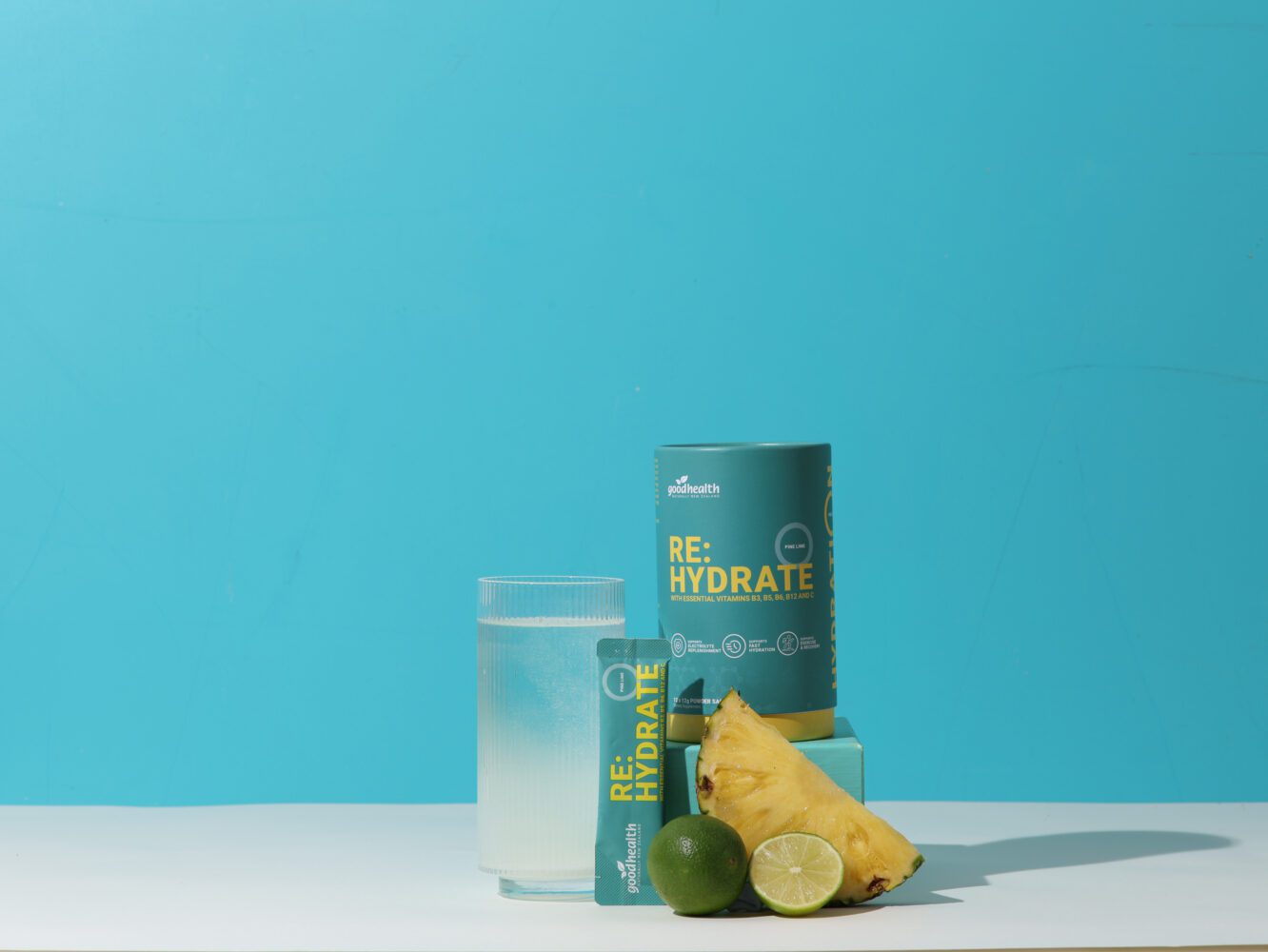
Good Health RE:HYDRATE is an advanced electrolyte and vitamin formula designed to support cellular and overall hydration, and post-exercise recovery, with a natural and refreshing flavour profile. RE:HYDRATE replaces 3 of the most important electrolytes, sodium. potassium, and chloride, and the ones that are required in the highest amounts in our daily diets. It also provides essential B vitamins for energy production, and vitamin C, to support recovery. Not only that but it also contains a small amount of glucose, an essential fuel for our cells, to support the fast absorption and utilisation of the electrolytes. RE:HYDRATE works quickly to support true hydration when you need it most—during intense exercise, after fluid loss from illness, during prolonged heat exposure or increased thirst, or when muscles are tense after exercise, etc. Comes in delicious and refreshing Pine Lime, Berry, Mango, and Watermelon flavours, and a mixed flavour selection, as well.


 English
  Chinese
  Vietnamese